africanized honey bee
Africanized Honey Bee – #1 Fascinating and Fearsome Bee Species
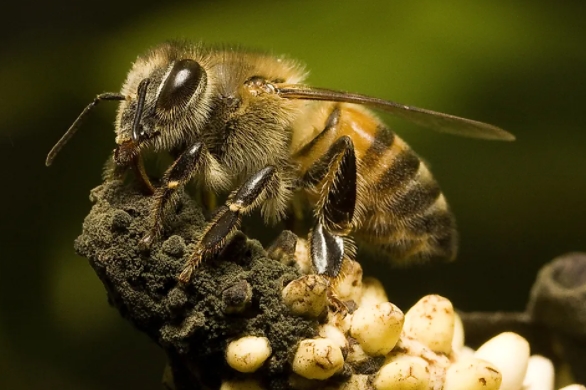
The Africanized honey bee (AHB), often nicknamed the “killer bee,” is a subspecies of the familiar European honey bee (Apis mellifera). Unlike the chubby, gentle-looking bumblebee we see in gardens, the AHB has built a reputation for being fast, defensive, and relentless. But how much of its “killer” image is fact, and how much is myth? Let’s take a closer look.
How It All Began
The Africanized honey bee didn’t appear by accident in the Americas. In the 1950s, scientists in Brazil imported African bees with hopes of improving local honey production. The idea was simple: combine the European bee’s docile nature with the African bee’s resilience in tropical climates.
Things didn’t go as planned. A few African bees escaped from research hives, and their descendants spread rapidly across South and Central America. By the 1980s, they had reached the United States. Today, Africanized bees can be found throughout much of the Americas, from Brazil to parts of the southern U.S.
Why They’re Called “Killer Bees”
Despite their scary nickname, Africanized honey bees do not actively seek out people to sting. They are not hunters. Instead, they are extremely defensive about their hives. Disturb them, even unintentionally, and they will respond with overwhelming force.
- A European honey bee colony might send out a handful of guards to check out a disturbance.
- An Africanized honey bee colony can unleash hundreds or even thousands at once.
What makes them truly dangerous isn’t the potency of their venom (it’s actually slightly weaker than that of the European honey bee), but the sheer number of stings they deliver. To make matters worse, they’ll chase a perceived threat much farther, sometimes up to 150 yards, while European bees usually give up after about 50 yards.
The Sting Chain Reaction
Here’s a fascinating fact: when an Africanized bee stings, it dies, leaving behind both its barbed stinger and venom sac. That venom sac pumps toxins into the skin, but it also releases a powerful alarm pheromone. This chemical acts like a distress flare, summoning more bees to attack.
Each additional sting releases more pheromone, creating a vicious cycle where one sting quickly escalates into dozens or even hundreds.
Where They Make Their Homes
Africanized honey bees aren’t picky about real estate. While European bees prefer tree hollows or carefully built hives, Africanized bees often nest in:
- Drainpipes
- Flowerpots and buckets
- Abandoned tires
- Attics and sheds
- Rock crevices and hollow logs
This adaptability makes them more likely to be encountered in cities and suburbs, where people may unknowingly disturb their colonies.
Honey Production and Competition
For all their toughness, Africanized bees actually produce less honey than European bees. They swarm more frequently, meaning they spend more time reproducing and relocating rather than building up large honey stores.
In regions where both live, the two subspecies compete fiercely for food and nesting sites, a challenge for beekeepers who prefer the calmer, more productive European honey bee.
Did You Know? 🐝
- Africanized bees can establish a new colony in record time, helping explain their rapid spread across the Americas.
- Their frequent swarming is a survival tactic; it ensures that if one colony fails, another has already taken root elsewhere.
- Despite their aggressive defense, they are still vital pollinators for crops and wild plants, playing an important role in ecosystems.
What To Do If You’re Attacked
If you ever encounter aggressive bees, the rule is simple: run, don’t fight.
✅ Cover your face and upper body.
✅ Seek shelter in a house or car.
❌ Don’t dive into water—bees have been known to wait above the surface.
Once indoors, close all doors and windows and wait for the swarm to disperse.
Final Thoughts
The Africanized honey bee is a striking reminder of how human attempts to “improve” nature can have unintended consequences. While their fierce defense has made headlines, these bees are not villains—they are survivors. Like their gentler cousins, they pollinate plants, support agriculture, and keep ecosystems in balance.
So, the next time you hear the term “killer bee,” remember: behind the reputation lies a complex, fascinating creature that’s just trying to protect its home.
End of “The Aggressive Africanized Honey Bee”. Back to “Amazing Facts of Honey Bees”.