Glycemic Index of Honey and Sugar (A Comparison)
Understanding the Glycemic Index of honey and sugar could help you better watch your daily sugar consumption. Do you know how much sugar are you taking today?
Table sugar (chemist calls it "sucrose") which is made from two simple sugars called glucose and fructose, is being processed into so many foods such as cereals, bread, mayonnaise, jam, peanut butter, and ketchup.
What does the Glycemic Index Tell You?
The Glycemic Index which is assigned to each food, measures how much a given food affects blood-glucose levels. The lower the rating, the slower the absorption and digestion process, which means a more gradual and healthier infusion of sugars into the bloodstream, whereas, a high rating means that blood-glucose levels are increased quickly, and the pancreas are stimulated to release insulin to keep blood-sugar at a constant and safe level, and this inhibits the release of growth hormones, which in turn depresses the immune system.
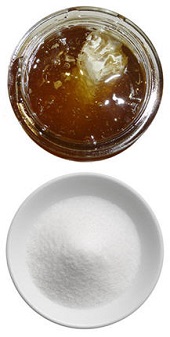
An influx of sugar into the bloodstream not only upsets the body's blood-sugar balance, the insulin secreted also promotes the storage of fat and weight gain which has been linked to obesity and cardiovascular diseases.
Complex carbohydrates such as fruits and vegetables tend to be absorbed more slowly, lessening the impact on blood-sugar levels, and hence form an important part of the diet of those who are trying to lose weight.


Glycemic index is of special significance to diabetic people, but also has important health implications for people in general. Low GI diets have been reported to lead to improved insulin responses and blood cholesterol level. Studies show that honey has a lower glycemic index than table sugar and therefore provides a relatively longer, and steadier source of energy.
Now here is the Glycemic Index of honey and sugar:
Honey's Glycemic Index: 48 to 55
Sucrose's Glycemic Index: 58 to 65
And remember, you are what you eat.