1st Quick Honey Facts
Get some quick honey facts:
1. What is Honey?
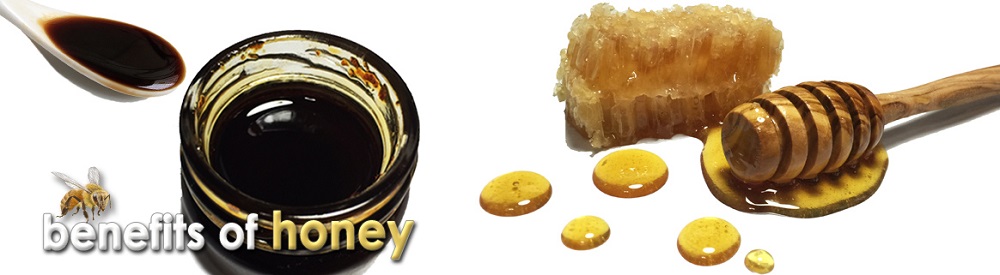
In a nutshell, honey is a 100% pure and natural sweetener made and stored in honeycombs by the honey bees. Nearly one million tonnes of honey is produced worldwide every year.
2. Honey History
It is believed that honey history dated as far back as 10 to 20 million years ago and the practice of beekeeping to produce honey, apiculture, dates back to at least 700 BC.

Honey is a delicacy fit for the kings and queens! In ancient times, Eygptians sacrificed honey by the tons to their river gods, Roman legions slathered honey on the wounds as a natural cure to promote healing, and medieval lords reserved honey for their private use. It's told that the body of Alexander the Great was preserved and embalmed with honey. As honey was then expensive and not all could afford it, its use in cooking was reserved only for the wealthy.
Ancient myths and writings on alcoholic beverages throughout the world contain references to mead, or honey wine, which is known as the world's oldest fermented berverage. The bible also contains historical honey facts related to its benefits and goodness.
3. Honey Today
When refined sugar made from sugar cane came along, it provided a relatively inexpensive alternative form of sweetening and began to displace honey for culinary use. The benefits of honey since then became more focused on its medicinal properties and its use in fine gourmet and confectionary.
Today, the word 'honey" has gone beyond its association with its benefits as a food and has crept deep into many cultures and languages. Click here to read on "Words with Honey and Bees".
4. Honey Expiration Date & Storage
Honey is a miracle food; it never goes bad. It was reported that archaeologists found 2000 year old jars of honey in Egyptian tombs and they still tasted delicious!
Many people find it rather surprising that bacteria cannot grow in honey because all things being equal, bacteria loves sugar. The unique chemical composition of low water content and relatively high acidic level in honey creates a low pH (3.2-4.5) environment that makes it very unfavourable for bacteria or other micro-organism to grow. Thus, "Best Before Dates" on honey buckets indicating honey shelf life do not seem to be very important after all. For more information on why shelf life is stated on the honey bottles in the shop and how to best store honey, read: Honey Storage Tips.
Other Related Pages
1. Myth or Fact?
How much do you know about honey? Go to "Myth or Fact" and quiz yourself. Find out if those 10 statements about honey are true.
2. Honey QualityHow do you judge whether a jar of honey is of good quality, or how would you choose good honey? Read on... How to Choose Good Quality Honey.
3. How to Test for Pure HoneyCan you ever test from home and be totally sure that you are eating 100% unadulterated honey? All in How to Test for Pure Honey.
End of "1st Quick Honey Facts". Back to "More Honey Information From FAQs".