6 Key Foods in the Mediterranean Diet (Discover the Secret of Staying Slim)
One big, interesting paradox about the Mediterranean diet is that although about half of the calories in the diet come from fat, the incidence of obesity and people dying of heart disease, stomach and colon cancer in the Mediterranean is lower than in America and among the lowest in the world!
When we discuss about Mediterranean diet, fresh fruit, vegetables, herbs, seafood, and olive oil immediately spring to mind. And a spectacular element of this diet is its wide variety; it meal includes many different foods, and each day brings new choices. See what's in their food culture and in what ways we can emulate:
1. Fresh Fruits & Vegetables
Lots of fresh fruit, greens, and potatoes are eaten daily as snacks or as the last course to their meals. Salads and vegetables are eaten every day. Eggplant and zucchini are popular dishes.
2. Legumes and Nuts
All types of legumes and beans are eaten regularly. Beans and chickpeas have been a staple of the Peninsula for centuries. Spain is one of the top producers of almonds, hazelnuts and walnuts.
3. Herbs and Spice
Garlic, onions and herbs such as oregano, rosemary and thyme are used, but garlic more than the others.


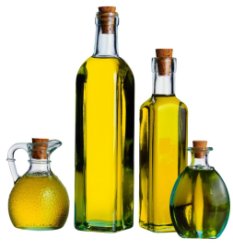
4. Olive Oil
Olive oil is the primary source of fat in Mediterranean recipes, which is a monounsaturated fat. It does not raise blood cholesterol in the same way that saturated fats and trans fats do, hence often, it's called a good fat. Spain is a leading producer of olive oil and olives are grown all over the south of Spain.
5. Seafood
Fish is eaten several times a week and contains omega-3 oils, a fat that is believed to be useful in cutting down the risk of heart diseases. Fresh seafood is always plentiful in the markets. A wide array of fish and shell fish is commonly found on food menus. Meat and poultry are eaten in smaller quantities.
6. Wine
Wine is consumed moderately.