Taste Honey? No Way!
"But I don't want to taste honey, it's horrible!"
This is what some visitors to Benefits of Honey told me when they learned more about the health benefits of honey. And I can totally understand why they are not motivated to taste honey, because I too used to think that honey tasted awful.
My response to all those whose taste buds cannot tolerate honey and have a bad experience of tasting honey would be - Don't give up eating honey, there are so many floral varieties of honey to choose from that it is impossible for you not to find a honey that would be appealing to you. I believe there are people who don't want to taste honey and had brushed off the idea of eating honey perpetually just because their very first encounter with honey is negative. It's a shame. The taste of honey is not singular. Like wine, no one type of honey tastes alike. The same floral variety from different places can even taste different. Some honey even has a slight bitter aftertaste, e.g Mahogany honey. So, explore and taste honey, try as many floral varieties as possible. You don't need to possess a special penchant for honey to like honey. The natural floral scents of honey just taste so much more desirable than those honey types on the shelves innovatively flavoured with fruit additives such as strawberry, orange, lemon, peach and etcetera.
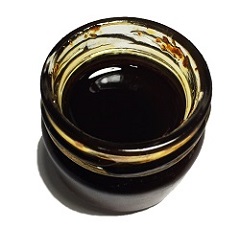
I used to assume Buckwheat honey was probably one of the worst-tasting honey varieties and I shunned it until one day I found that its taste could vary from brand to brand and it could actually taste very pleasant. Similarly, after trying Manuka honey from a few different suppliers, I also reckon that its distinctive aroma of the woods can also vary to a certain extent depending on the supplier. Today, some of my most favourite varietals include Tasmanaian Leatherwood, Orange Blossoms, Longan and Manuka. Nevertheless, whether a honey tastes good or bad can be highly subjective. One man's meat is another man's poison. As a general rule, light-color honey is milder in taste, so if you are wary of tasting honey, I suggest you skip those dark-color ones for a start. Light-color honey (e.g Linden honey, Acacia honey) may be easier on your taste buds. And multifloral honey, sometimes labelled as "wildflowers" (no distinct floral variety) can also deliver amazingly pleasant taste.
As we taste honey, some numbers might help us appreciate honeybees and every tiny drop of its hard work more. It's said that the average honey bee will actually make only one twelfth of a teaspoon of honey in its lifetime and it takes about 550 honey bees to make 1 pound of honey (ie less than half a kilogram) from some 2 million flowers. Wow, it's just so overwhelming to figure the number of flowers the bees have to forage and the number of bees sent to work to make the amount of honey for my family daily consumption. Phenomenal!
Pages on Related Topic
1. This honey has been described as one that you would either swear by it or swear about it: An Irreplaceable Tasmanian Honey
2. Tips on how to taste honey like a pro: Appreciate the Taste of Honey Varieties Like a Pro
3. "Honey is sweet" isn't good enough, here are: 100 Interesting Ways to Describe the Taste of Honey
5. The endless floral varietals of honey: Exploring 36 Honey Floral Varieties (#21 is Highly Sought-After)
Post and share with us which is the best or worst tasting honey you have ever tasted or which floral varieties of honey do you like most or dislike most and why.
Note: Please give your posting some time to be moderated. Only posts relevant to the topic will be published on this page. Honey floral varietals and NOT honey brands are expected to be mentioned. Postings are not made to work automatically due to spamming concerns.
Postings on "The Honey Variety I Like/Dislike Most"

Hi, thanks for this information. I like all honey but I like raw arizona desert wildflower and mezquite honey, both are very sweet. The first is light taste and the second is darkest and strong.
Arcelia, Mexico
6 May 2013
I love honey. I recently have been turned on to raw honey because of its healing properties. I try to try a lot of different ones. It is amazing how many different flavors there are. I love really raw honey just to eat from the spoon. Rewarea honey is reddish an color and a smooth clear distinct honey that I love on muffins. Manuka...which I could eat the whole jar in one sitting, if it weren't so expensive. I use it one my face every night for beautiful skin. Neem honey is the most bold... Almost molasses tasting dark honey. Every one is delightful and I can't wait to experience the next one.
Binkie, South Korea
22 Dec 2012
Just bought a jar of acacia honey after smelling the beautiful flowers at a friend's house. Wikipedia notes that acacia honey is a misnomer and that the flowers from which the nectar is gathered are actually from the Black Locust, or Honey Locust tree!
Josiah, United States
25 Jun 2012
Hi! In Malaysia, a popular wild honey variety is called Madu Tualang. Tualang refers to the variety of bee that lives in the rain forest. Madu Tualang is very dark brown in colour and it has a lighter sweetness and texture, with a slight sour after taste. It's my favourite type of honey.
Yani, Malaysia
20 Dec 2011
My favourite honey is a light buckwheat honey produced in Quebec. It tastes incredible! I buy it in 3 kilo tubs and eat it every day.
Gabrielle, Canada
4 Oct 2011
I actually don't find the honey we get here sweet, not sure if it's my taste buds or what, it actually seems bitter.
Most of the honey down here is darker in color, i guess i'll try a clearer one if i can find it.
Jose, Guatemala
22 Aug 2011
My favorite honey is Tupelo Honey. Just love it. I like most honeys. Although,this one is just so much better.
Carole, United States
7 Jul 2011
I miss all the honey I used to eat. My roommate used to work at a cafe/all-natural shop that specialized in bee products. It became a regular hangout and we'd always try all the different honeys that came in. I truly loved them all (to varying degrees), the wildflower especially. The best honey I've ever had however was in some little cafe in Maadi, I have no idea what origin it had and it was a medium colour... but it was utterly aamzing. In the eons we spent taste-testing I can honestly say the only honey I never really liked was this honey infused with strawberry flavouring... it tasted really gritty. Too bad the good days couldn't last as the owner decided to sell shop and go back to bee-keeping.
Margaux, Canada
2 Apr 2011
Ruth: Sometime back, my sister also got me from one of her overseas holidays (can't remember which country anymore)a bottle of bright pink honey - honey infused with strawberry flavouring, I really can't quite appreciate the artificial and strange taste. Until now, that bottle is still sitting on the kitchen shelf, and almost full still.
I love Really Raw Honey. I am taking up beekeeping this spring and cannot wait to try my hand at this age old art to see what comes from local foraging. Really Raw honey is semi-solid and I just like to eat it from a spoon.
Barbara, United States
10 Mar 2010
The Honey Variety I like most are Really Raw Honey and Manuka HNZ New Zealand. They are so yummy. No dislike.
Zynal, Singapore
9 Mar 2010
I like all honey. A man in south texas use to have his ownhive. I ate whatever color or taste it had. All i see is light in stores. I wonder if it is pure. I never see sugar form on side of jar.
John Ratliff, United States
9 Mar 2010
My favorite honey is tallow honey from Louisiana-it is a late spring-early summer amber honey that is floral and full tasting but not sickenly sweet like some honey is.
Laney, United States
9 Mar 2010

End of "Taste Honey? No Way!". Go to "Exploring Honey Varieties!"